Variables
Unit types
components
mini wholes / emergence
wholes
meta-wholes
Unit components - can create systems to manipulate them - v
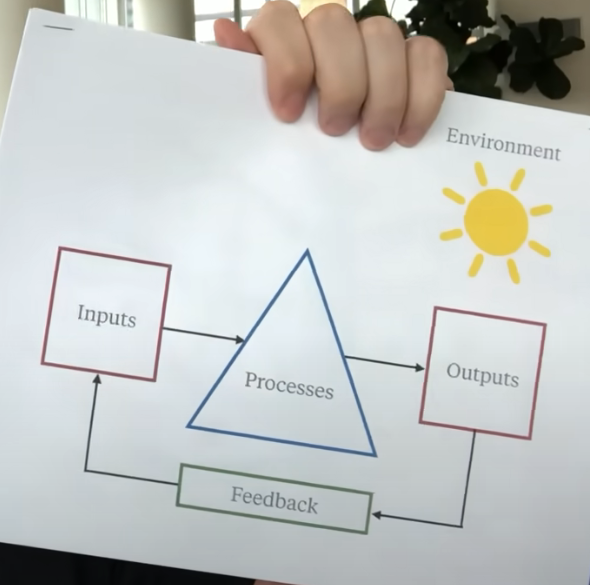
Environment - can kill/sustain system, how?
look out for major changes & adapt quickly
resources
limitations
e.g.
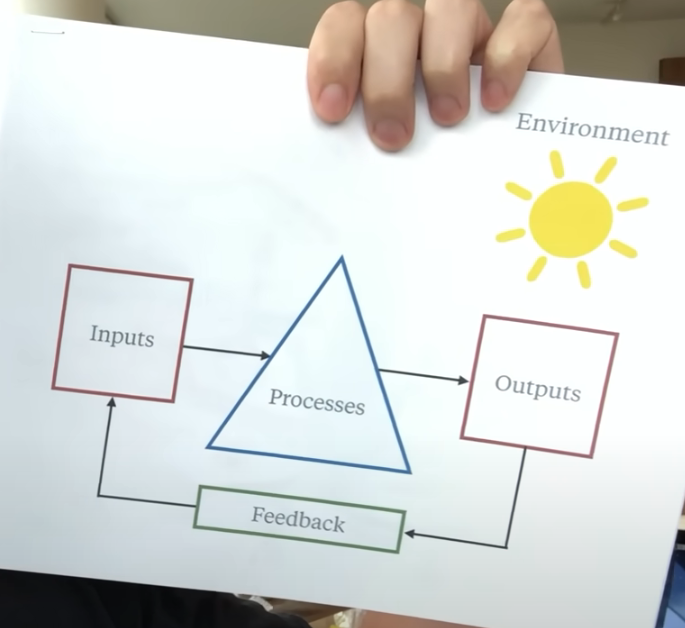
Inputs - Garbage in Garbage out - myInputs - Conditioning
Outputs - which results are important? Int & leverage
Processes - optimize outputs from inputs (SOPs)
Feedback - understand & iterate (Pragmatism )
?
resources - other units/wholes’s that impacts the sys
criterias - what define sys/output effectiveness
i - can replicate this system even for singular components
Resources - inflows/outflows & pools
Inflows & Outflows of resources always exist
Pools of resources - manipulate them
too much = wasting resources
too little = risk of stopping/decreasing outputs
Entropy - natural decadence of any system w time
History changes a systems’s current/future state
makes mantainance essential
Less
i
a system can be choise based
this scenario can be a system by itself and the leverage is anything that would high up the chances of success & returns
Interaction between units & wholes
Every unit interact & depend w its siblings & other unit types
Lower & Higher level parts
have their own purpose that might not derive from the other
Casuality - cause-effect behaviours
Usually non-linear & operating at different levels
Feedback loops - outputs affects other inputs
Changes in one part of the system affect other parts, creating cyclical relationships.
Local changes can cascade to affect the entire system.
Thresholds can be trigghered by slight changes
e.g.
mini wholes interact with components, other mini wholes, the whole, and meta wholes
After-scale, complexity problems, side-effects, Changes can…
be counteproductive
affect other systems & society as a whole
e.g.
pollution can cause enormous damage
the internet caused enormous development
simple solutions are often the best ones
if you solve a big problem with other systems, you made even more moving parts that can fail
Manipulations - others in Reasoning
Enchance
By priority - leverage Criterias
see how much focus to give to X parts
Ways to scale
Vertically - enhance system efficency
Soft - provide/builds upon existing patterns
Hard - internal optimization of a system
includes optimizations about…
Resource usage
Logic
bottlenecks
e.g.
it would change the CPU internal logic in a more optimal way instead of upgrading the CPU which would be vertical scaling
Horizontally - duplicate systems
Cooperation - make systems enhance other systems
Autocatalysis
system produce output that can be fed as input to itself
e.g.
network effect in social media & viral content
marketing in product-based biz
Supporters - Multipliers
Limiters
Bottlenecks framework Root problem - cause n effect Dependencies
Problem
the more dependant a system is to one other the more you risk to alt it because of cascading problems
happens especially with people, like in 2008
banks that had an insurance with other banks felt like they could use more debt. When they lost lots of money and asked for insurance, even the other banks needed money because the whole real-estate market went south
Loosely coupled vs Highly Integrated systems
Highly - cons are the pros of loosely w/o isolation
Direct, high-speed connections
Loosely
Failure, updates/mantainance & dependencies are isolated
try to be an orchestra
if a violin mistakes, the others will cover
CAP theorem
always have a plan B for when things go south
Useful questions
Variables of the problem?